
Fallout Shelter
Bethesda Softworks LLCSimulation
4.6310.06K Reviews
- Version
- 2.5.1
- Installs
- 50.00M
- Age Rating
- Teen
Screenshots
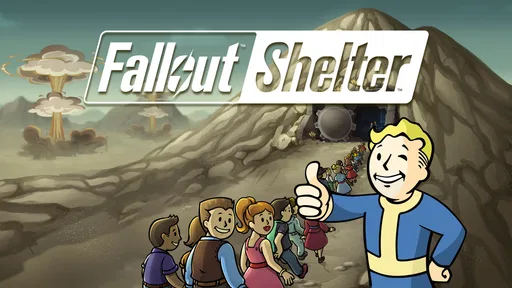

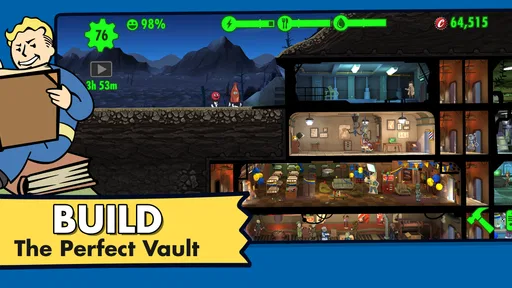
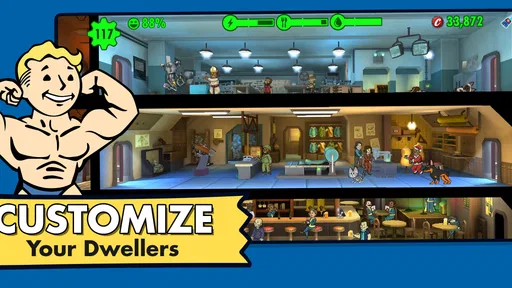
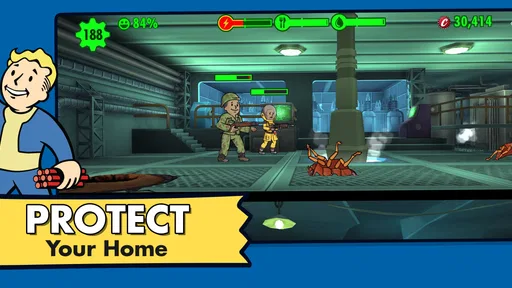

Our Review of Fallout Shelter
 Analysis by Appyee
My first decision in Fallout Shelter is less about grand strategy than keeping a small group of people supplied. I put dwellers to work, watch the vault’s basic needs, and decide what to build next. That simple start is the appeal: I can see the consequences of my choices without needing to learn a complicated control scheme before the game gets going.
As a free simulation game from Bethesda Softworks LLC, it turns the familiar Fallout setting into a compact management routine rather than a large role-playing adventure. Its Teen rating makes the tone easier to approach than the wasteland’s darker themes might suggest, though the setting still carries the series’ tongue-in-cheek post-apocalyptic flavor. I’d recommend it to someone who likes checking in on a little system and gradually improving it, not to someone looking for a story-heavy campaign or constant action.
What a small check-in actually involves
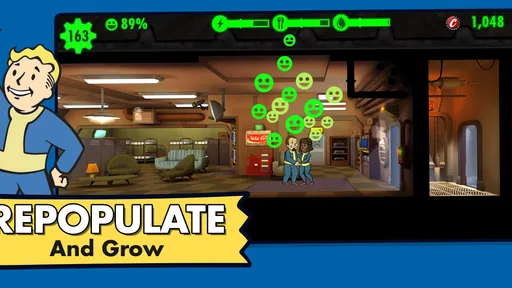
A useful way to play is to treat each visit as a quick inspection. I look at the vault’s food, water, and power, then check whether the rooms that produce them have enough dwellers assigned. If one resource is falling behind, I can move workers before starting another building project. That order matters: expanding first may feel satisfying, but a larger vault can make an already tight resource situation harder to manage.
The room-and-worker setup also gives the SPECIAL stats a practical purpose. Rather than assigning everyone wherever there is an empty spot, I can use a dweller’s strengths to make a job a better fit. It is worth checking assignments again after the population changes, because a room that once had a sensible team may now be staffed by whoever happened to be available. That small act of housekeeping is one of the game’s more useful habits to build early.
That makes this a good fit for short gaps in the day: I can open the vault, make a couple of decisions, and leave it running as a project in the back of my mind. It can also suit a longer evening session, when I want to compare room needs and plan a few changes. I would skip it if I wanted a game that demands focused, continuous play or offers direct, fast-paced combat as its main attraction. Its pleasure comes from tending and adjusting, not from being in the middle of an action sequence every minute.
A Vault Overseer’s Dream
The premise of Fallout Shelter is simple yet engaging. You start with a small vault and a handful of dwellers. Your goal? Expand your vault, increase your population, and ensure everyone has a role to play. The game’s interface is intuitive, making it easy to jump right in and start building. You’ll be constructing rooms, managing resources like food, water, and power, and sending dwellers out to explore the wasteland for loot. It’s like The Sims meets a nuclear apocalypse!
One of the coolest features is the ability to assign dwellers to specific jobs based on their SPECIAL stats (Strength, Perception, Endurance, Charisma, Intelligence, Agility, and Luck). These stats determine how effective they are in different roles. For instance, a dweller with high strength is perfect for power generation, while one with high intelligence excels in research labs.
Why the feedback loop works
What keeps me checking back is the clear rhythm between action and feedback. I assign dwellers, build or improve rooms, then see whether the vault’s supplies and people can cope with the change. A shortage, an incident, or a new opportunity gives me a reason to respond. When the numbers settle and a room is doing its job, the reward is not just a prize; it is a vault that feels more stable because I made a sensible adjustment.
There is a small but important trade-off in that rhythm: adding rooms is not automatically progress. More space creates options, but it also gives me more to staff and keep supplied. I get better results by fixing the current bottleneck before making the vault bigger. If the basics are shaky, I focus on them first; if they are comfortable, I can take the risk of developing another part of the settlement. That decision makes the loop feel more like management than decoration.
Challenges and Rewards
Managing a vault isn’t all sunshine and rainbows, though. You’ll face challenges such as raider attacks, radroach infestations, and resource management crises. But the satisfaction of overcoming these hurdles is immensely rewarding. There’s a real sense of progression as you upgrade rooms and see your dwellers thrive.
The game also throws in a few surprises with random events and quests. You can send your dwellers on missions outside the vault, where they’ll encounter all sorts of dangers and treasures. These quests are a great way to spice up the gameplay and earn some nifty rewards.
When the wasteland trip is worth it
Sending a dweller outside the vault is a different kind of decision from assigning someone to a room. It takes a person away from their regular job, so I think about whether the vault can spare them before setting off. That makes an expedition a useful change of pace, but not an automatic choice every time one becomes available. If supplies are already strained, keeping the dweller at home can be the wiser move.
Quests and exploration also suit different moods. I use them when I want a more directed goal than simply balancing rooms, while the day-to-day vault work is better when I want a light, open-ended check-in. The trade-off is that sending people into danger adds another thing to manage, rather than replacing the core routine. Players who want every session to revolve around a self-contained combat mission may find the broader resource loop more appealing than the expedition itself.
Visuals and Soundtrack
Visually, Fallout Shelter nails the classic Fallout aesthetic. The characters are cute and cartoony, which adds a fun contrast to the grim setting. The animations are smooth, and the attention to detail in the vault rooms is impressive. From the bustling diner to the humming power plant, each room feels alive and functional.
The soundtrack complements the visuals perfectly, with a retro-futuristic vibe that fans of the series will love. It’s the kind of music that makes you feel like you’re in a 1950s sci-fi movie, managing a slice of the future from the past.
Choosing it over another kind of sim
Compared with a typical city builder, this is a much more personal and contained project: I’m assigning individual dwellers and reacting to the needs of one underground community, rather than treating a wide map as the main attraction. Compared with a life sim such as The Sims, it places more emphasis on the vault’s shared supplies and on matching workers to rooms. That focus is a strength when I want clear priorities, but a limitation if I want broad social storytelling or highly detailed control over individual lives.
It also differs from a conventional action game built around combat. There are threats and expeditions, but the main satisfaction comes from preparing, allocating, and recovering rather than mastering moment-to-moment fighting. I’d choose it over those alternatives when I want a low-pressure management game with a recognizable Fallout flavor. If I’m in the mood for a large, exploratory role-playing world, I’d pick a different Fallout experience instead.
Small decisions that make a session smoother
One practical tip is to make a quick resource check before sending dwellers away or expanding. It prevents a fun side activity from leaving an important room short-handed, and it gives each visit a clear first step. Another is to revisit assignments after changes to the population or layout; a strong worker in the wrong room is a quiet inefficiency that can be easy to overlook while focusing on new construction.
I also find it useful to separate “keep the vault steady” sessions from “try something new” sessions. In the first, I handle supplies and staffing. In the second, I can take on an expedition or make a considered expansion. That is not a strict rule, but it stops every check-in from becoming a collection of unrelated taps. The game is at its best when I make one or two deliberate choices and then let their consequences give me the next reason to return.
Microtransactions and Playability
Now, let’s talk about the elephant in the room: microtransactions. Yes, Fallout Shelter includes them, but they’re not intrusive. You can purchase lunchboxes that contain random items and dwellers, but the game is generous enough that you don’t need to spend real money to progress. It’s entirely possible to enjoy and succeed in the game without ever opening your wallet.
The game is free to start, with optional in-app purchases ranging from $0.99 to $99.99 per item. I’d treat those as optional extras, not as a reason to rush through the management loop: the appeal is watching the vault develop through your own choices, and spending is not required to enjoy that process. The rating of 4.6 from around 3.9 million ratings, alongside over 50 million installs, suggests it has found a very large audience, but popularity does not change the basic fit question: do you enjoy checking resources and adjusting a growing settlement?
The game’s playability is fantastic. It’s perfect for both short bursts and longer gaming sessions. You can pop in for a few minutes to manage resources or spend hours optimizing your vault layout and planning expeditions.
Who will enjoy returning to the vault
For an everyday example, I can imagine opening it during a quiet break, checking whether food, water, and power are holding up, and correcting one staffing problem before closing the game. Later, if I have more time, I can decide whether to send someone into the wasteland or reorganize the next stage of the vault. The loop has a natural stopping point: once the immediate issue is handled, I can leave and return when a new decision feels worthwhile.
The current version is 2.1.2 and supports Android 7.0 or later, which gives Android players a straightforward compatibility baseline to check against their device. The game is a particularly comfortable choice for Fallout fans who want a lighter side activity, as well as newcomers who enjoy simulation games and do not need a large narrative to stay interested. I’d steer away if random setbacks feel irritating, if I dislike resource juggling, or if I want a fully hands-on game that does not revolve around periodic management.
When a session ends—and why another begins
A satisfying visit often ends when I have addressed the immediate problem, assigned the available workers sensibly, or chosen a clear next project. That is a softer kind of reset than finishing a level: the vault keeps being a work in progress, and I can return with a fresh look at what has changed. The next session begins because there is another small decision to make, not because the game needs me to complete a dramatic sequence before I can stop.
That structure is convenient, but it can also make progress feel gradual. If I want a strong sense of completion each time I play, a mission-based game with discrete stages may be more satisfying. Here, I need to enjoy incremental improvement and accept that the settlement’s needs are ongoing. The reward is seeing my earlier choices hold up, then deciding what deserves attention next.
Final Thoughts
All in all, Fallout Shelter is a charming and addictive game that offers a unique twist on the management genre. It’s got depth, humor, and a whole lot of character. Whether you’re a die-hard Fallout fan or new to the series, there’s something here for everyone to enjoy.
If you haven’t already, give Fallout Shelter a try. It’s a fantastic way to pass the time while testing your management skills in a world where every decision could mean the difference between survival and doom. Happy vault overseeing!
Verdict
Strengths of Fallout Shelter
- Engaging gameplay with strategic elements.
- Free to play with optional in-app purchases.
- Visually appealing with detailed graphics.
- Regular updates with new content.
- Offline mode available for uninterrupted play.
Limitations of Fallout Shelter
- Can become repetitive over time.
- In-app purchases can be pricey.
- Requires significant device storage.
- Occasional bugs and crashes.
- Limited interaction with other players.
Similar Picks in This Category
View All
Truckers of Europe 3
Wanda Software4.3

Town Building Life Simulator
XGame Global4.2

Fidget Toys Trading・Pop It 3D
Freeplay Inc4.7

Sculpt People
CrazyLabs LTD4.4

Scary Teacher 3D
Z & K Games4.2

Hair Tattoo: Barber Shop Game
CASUAL AZUR GAMES4.3
Frequently Asked Questions
What is Fallout Shelter and how does it work?
Fallout Shelter is a simulation game where you manage a vault in the post-apocalyptic Fallout universe. Players oversee the construction and upgrading of rooms, manage resources like power and food, and ensure the happiness and safety of their dwellers. The objective is to expand and protect your vault from external threats.
Is Fallout Shelter free to play or does it have in-app purchases?
Fallout Shelter is free to play, but it offers in-app purchases. Players can buy Lunchboxes, Mr. Handy robots, and other items that can speed up progress or provide rare resources. While these purchases are optional, they can enhance the gaming experience by providing strategic advantages.
What platforms is Fallout Shelter available on?
Fallout Shelter is available on multiple platforms, including Android and iOS devices, as well as PC and consoles like Xbox One and PlayStation 4. This wide availability allows players to enjoy the game on their preferred device, with synced progress across platforms supported through Bethesda accounts.
How does the game handle offline play?
Fallout Shelter can be played offline, allowing players to manage their vault and perform basic tasks without an internet connection. However, certain features, such as cloud saving and updates, require a connection. Playing offline won’t affect the core gameplay but limits some functionalities.
Are there any strategies for effectively managing a vault?
To manage a vault effectively, prioritize resource management and balanced room construction. Assign dwellers based on their SPECIAL stats to optimize efficiency, and regularly train them to improve skills. Expanding carefully and ensuring dwellers' happiness will lead to a thriving vault. Regularly send dwellers on quests for valuable rewards.
Play our best games!


